BG | EN | DE | RO

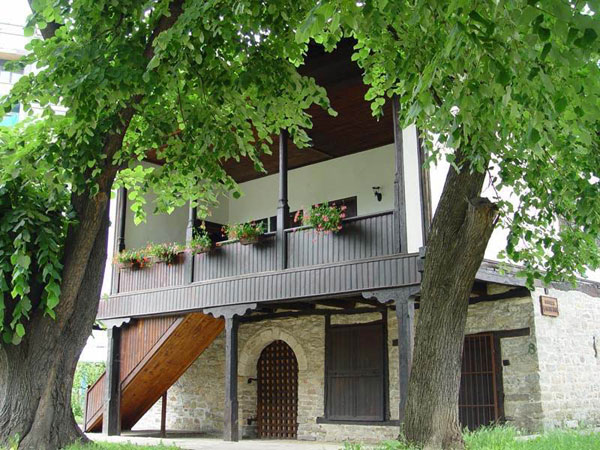
It is one of the most picturesque architectural ensembles of the Revival period, declared an architectural and historical reserve in 1964 with its а hundred or so authentic houses. ‘Bozhentsi’ is located 16 km. northwards of Gabrovo. This little village with its nearly 600-year old history has preserved the authentic atmosphere, spirit and architecture of the Bulgarian Revival. Nowadays the village is one of the preferred ecological and country tourism destinations.

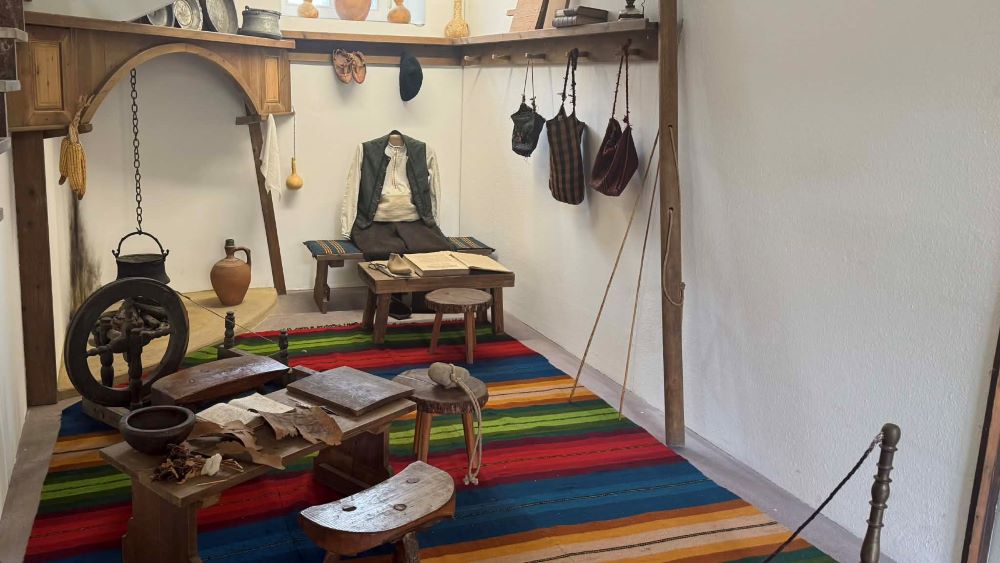
High stone walls, oak entry doors with forged iron accessories, narrow cobbled streets, stone fountains and bridges and small workshops add to the unique atmosphere. Several of the houses in Bozhentsi have been transformed into museums. The museum house of Baba Rayna presents an ethnographic exhibition of the 18th century. The livelihood of the local people from the 19th century can be seen in the museum house of Doncho Popa.
Visitors can learn more about the history of the village, the reserve and the big families in Bozhentsi in the exhibition called “Only the daredevils and generous donators remain in the history”. An authentic press for wax cleaning from the beginning of the 19th century is exposed in the Mengemata – a wax cleaning workshop.
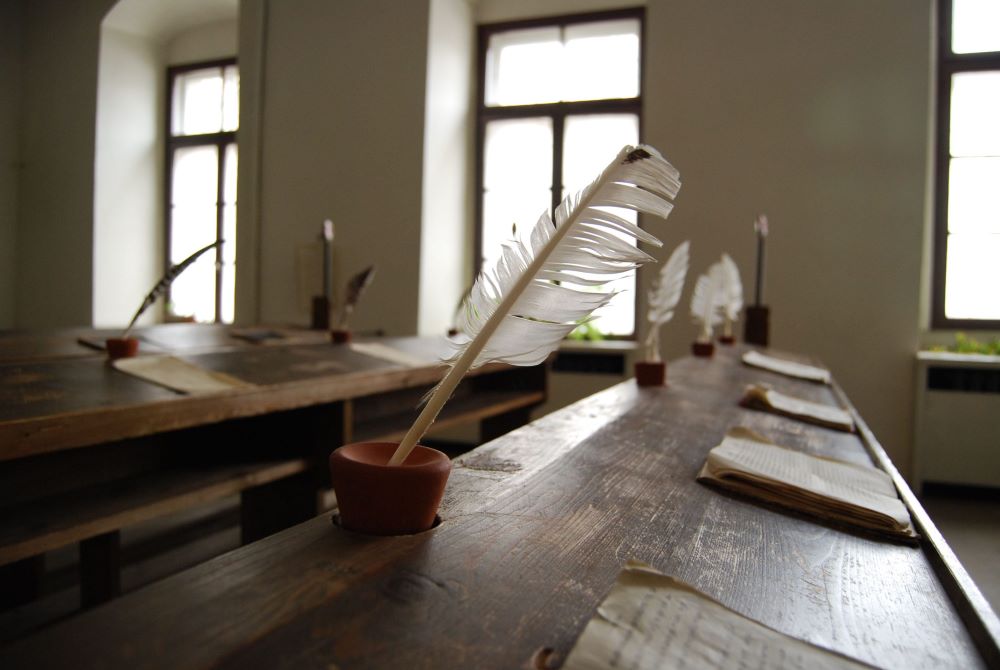
Another interesting exhibition is presented in the Monastery school – there visitors can see the typical layout of a classroom of the nineteenth century. The temple “St. Prophet Elijah” is also located on the reserve territory. The temple was built in 1839.

Each year in June a children’s plein air takes place and in September there is an international plein air painting. Bulgarian folk customs are performed during major religious holidays. The village offers opportunities for recreation in the 27 restored houses which have preserved the enchantment of the past while being adapted to the modern accommodation requirements.

The ‘House of Humour and Satire’ Museum is a unique cultural institute for humorous and satiric art of international and worldwide significance. It was established on the foundations of an old leather factory on the ‘deceitful’ April 1st (the international day of joke- Fool’s day) in 1972 and it is a dignified successor to the local folklore humour, as well as of the amusing carnival traditions of Gabrovo – the Bulgarian capital of humour.

Under the motto ‘The world has survived because it has laughed’ the house develops versatile activities – it is a museum of laughter, a gallery of the world humorous art, an informational centre, a place for entertainment, as well as a tourist attraction both for the old and the young.

The objectives of the museum are to collect, examine, exhibit and promote the humour of the peoples in the field of fine arts, literature and folklore, photography, posters, cheerful holidays and fancy-dress party traditions all over the world.

Museum guests are offered an amusing walk around the permanent exhibitions (‘The Roots of Gabrovo Humour’, ‘Paradise’, ‘The Sin’, ‘The Mask – the Face of the Feast’, ‘Long Live the Carnival!’, ‘World Carnival in Postage Stamps’), children’s amusement room “Gabrovo Planet”, temporary exhibitions of comic art, as well as numerous interesting attractions (joke-bank, distortion mirrors, figures of the famous Gabrovo cat with a cut-off tail, sheep bells/’chanove’/ meant for exorcism of evil spirits, disguise in carnival costumes, etc.)

Situated in the centre of Gabrovo, in the immediate proximity of the bus station and the railway station, the museum meets its visitors with the funny greetings of favourite humorous characters whose sculpture compositions are united under the heading Park of Laughter: ‘Hitar Petar’(Tricky Peter), Charlie Chaplin, the inseparable Don Quixote and Sancho Panza. Here one can find the enormous Sundial-Tack and the queer metal tower of Babel.

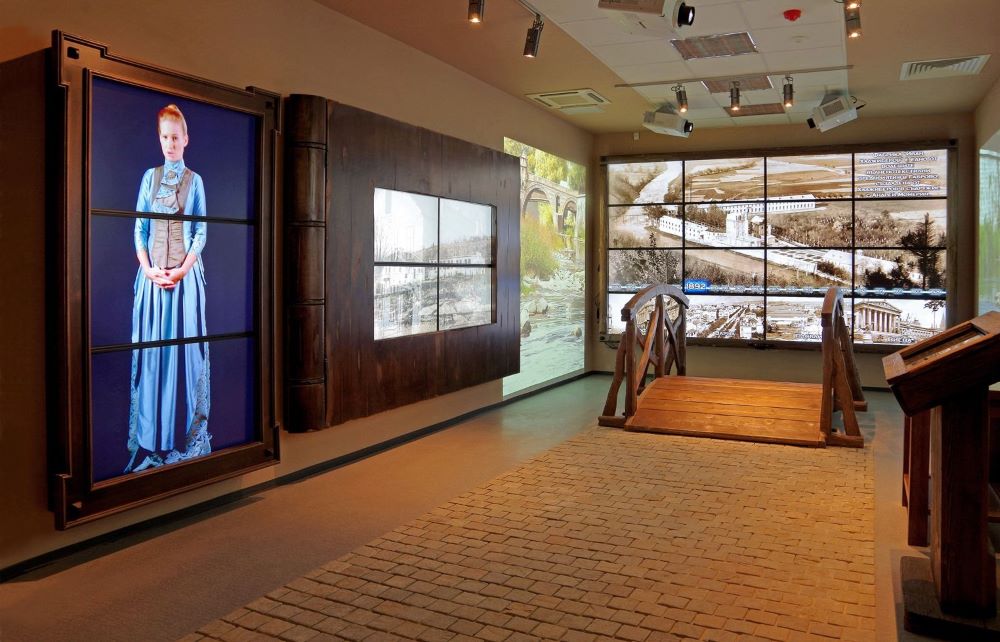
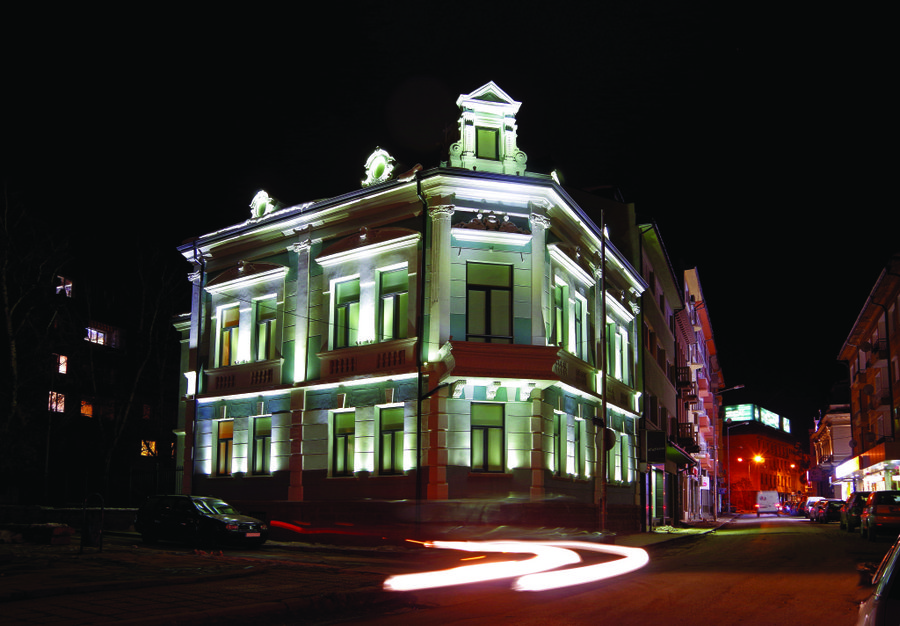
The building, which today houses the Interactive Museum of Industry in Gabrovo, has a rich history and has been declared an immovable cultural property of local importance since 1986. Originally built as a family home and office by the Gabrovo merchant Tsanko Dobrev, it has undergone significant changes over the years. It was sold to the Commercial Bank (1925) and subsequently used by the Gabrovo History Museum (1949-2003). Today, the building proudly stands as the first Interactive Museum of Industry in Bulgaria and possesses a fully restored original architectural appearance from more than 120 years ago, combining new interior solutions that harmoniously complement the historic atmosphere.

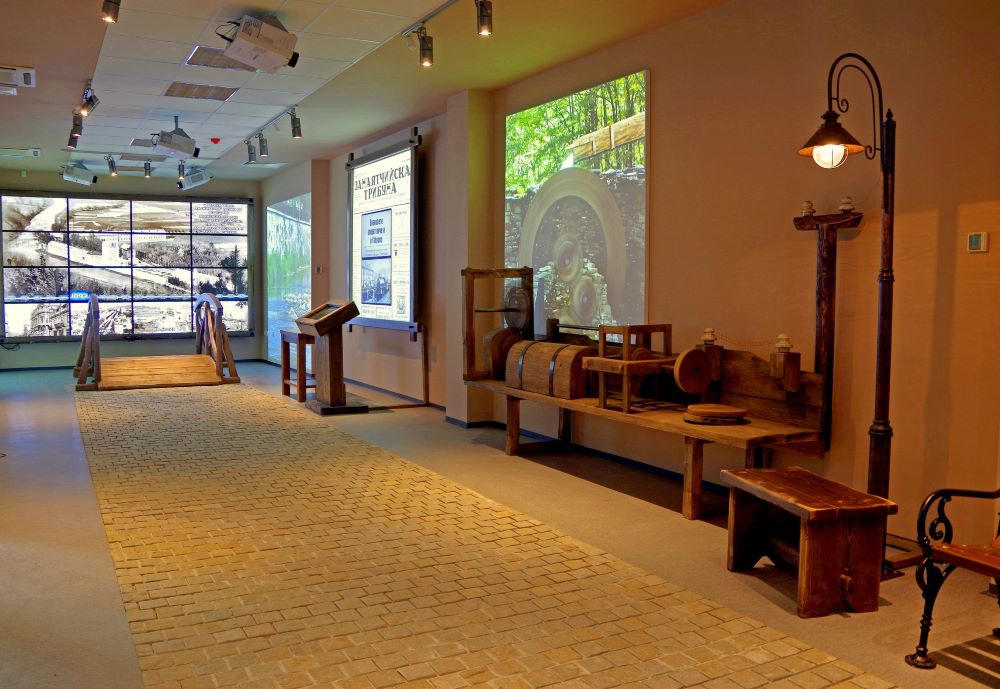
The museum offers an attractive narrative about the development of Gabrovo as an industrial centre, presented through fascinating interactive installations on three floors. Each floor is distinct as an era and they are “Birth of Industry”, “Socialism” and “Modernity”.

Using modern technology, the museum engages visitors in an exciting journey through time – from the birth of modern Bulgarian industry in the late 19th century to the present day.

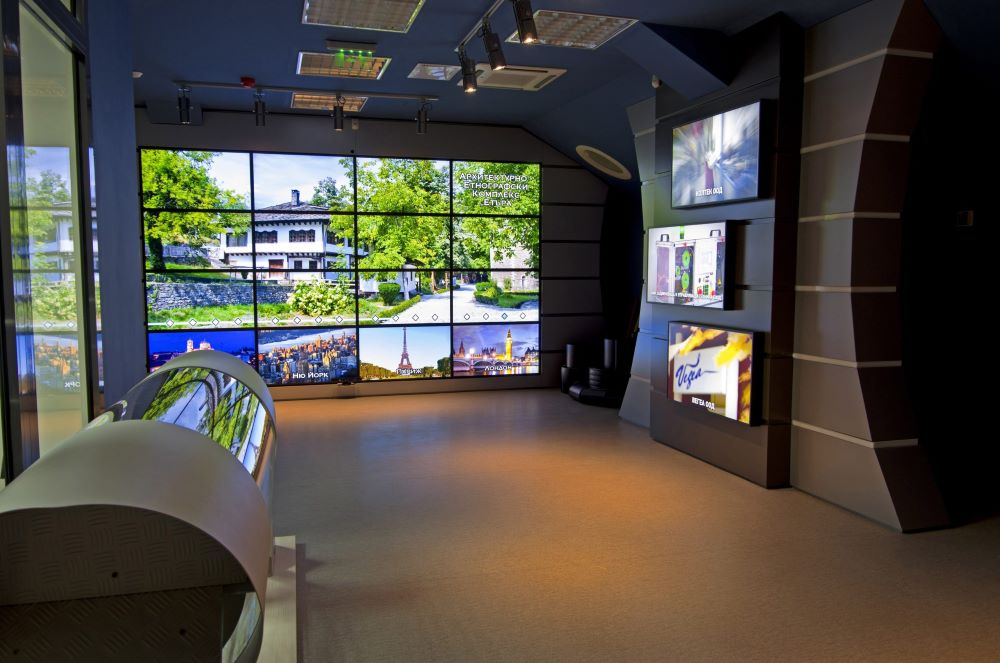
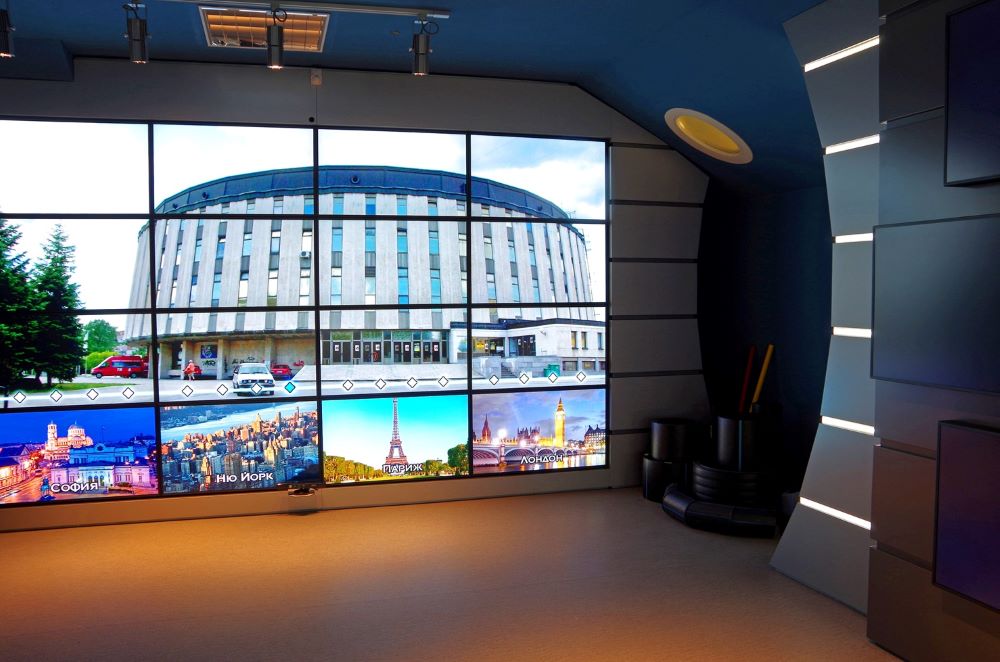
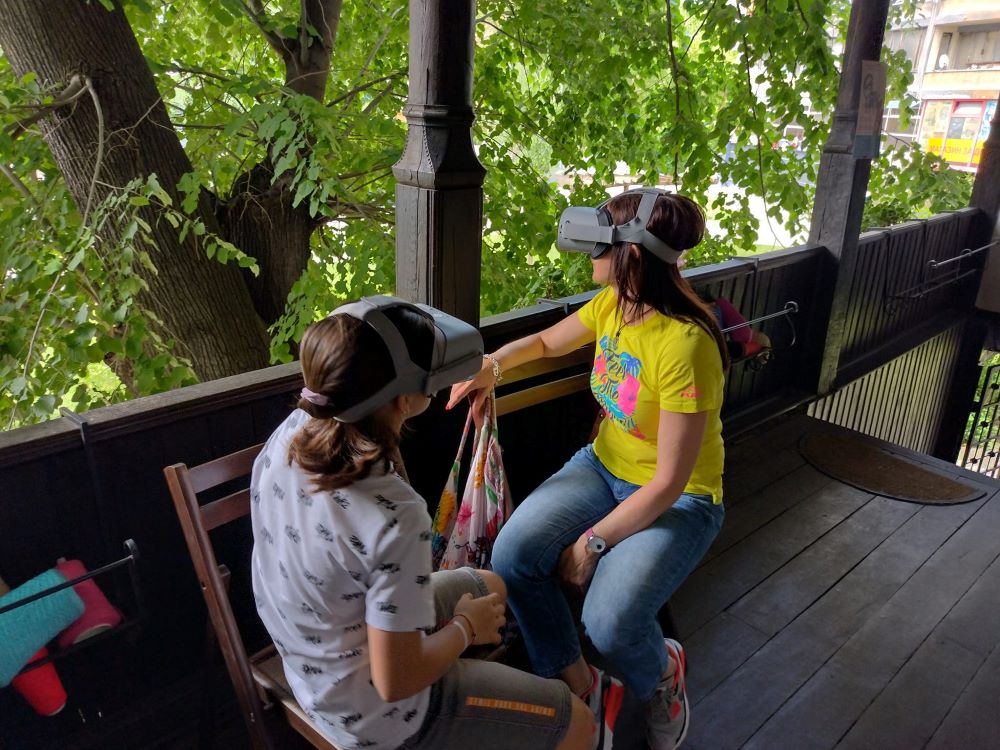
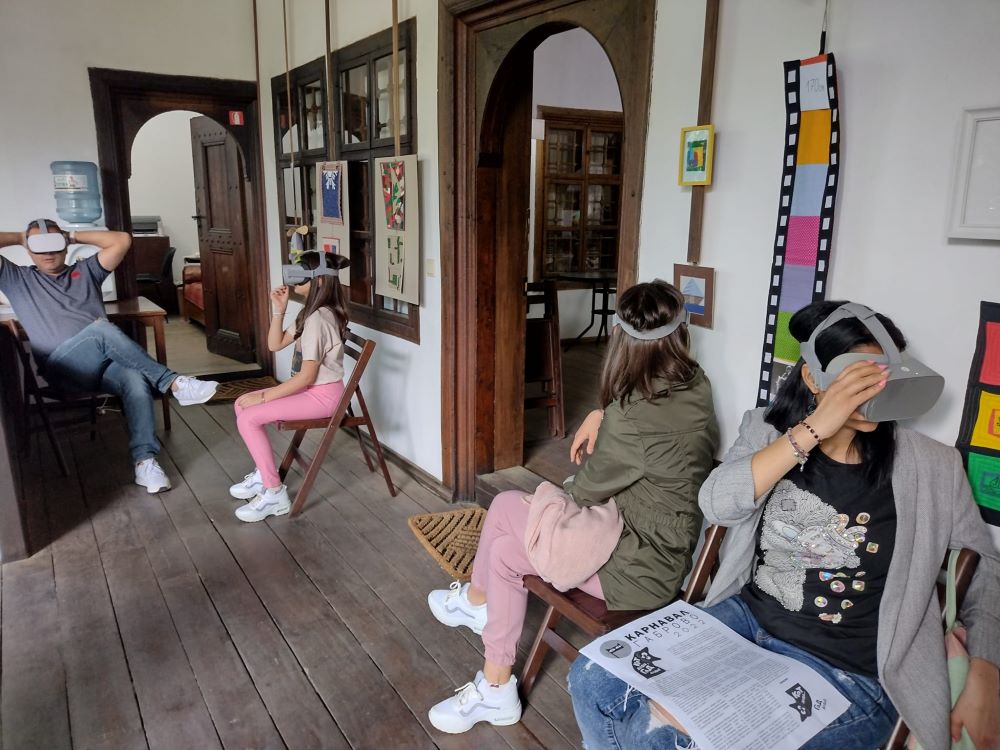
Through virtual holograms, visitors can look into the future and imagine what the world and Gabrovo would look like more than 1,000 years from now. A Formula 1 simulator awaits high-speed and adrenaline seekers, who have the opportunity to practice their driving skills and become true champions. The tour also includes a bird’s eye view film about Gabrovo and interesting places in the city’s surroundings.

Attractive audio-visual applications create an authentic and unforgettable atmosphere that allows guests to experience the history of Gabrovo’s industrial heritage.

The Interactive Museum of Industry in Gabrovo is not just a place to view exhibitions – it is a journey through time that reveals the rich industrial history of the region. With its state-of-the-art technology, elegant design and historical heritage, the museum offers visitors an unforgettable experience that gives pride of place to Gabrovo’s industrial heritage and its links to national and pan-European traditions.

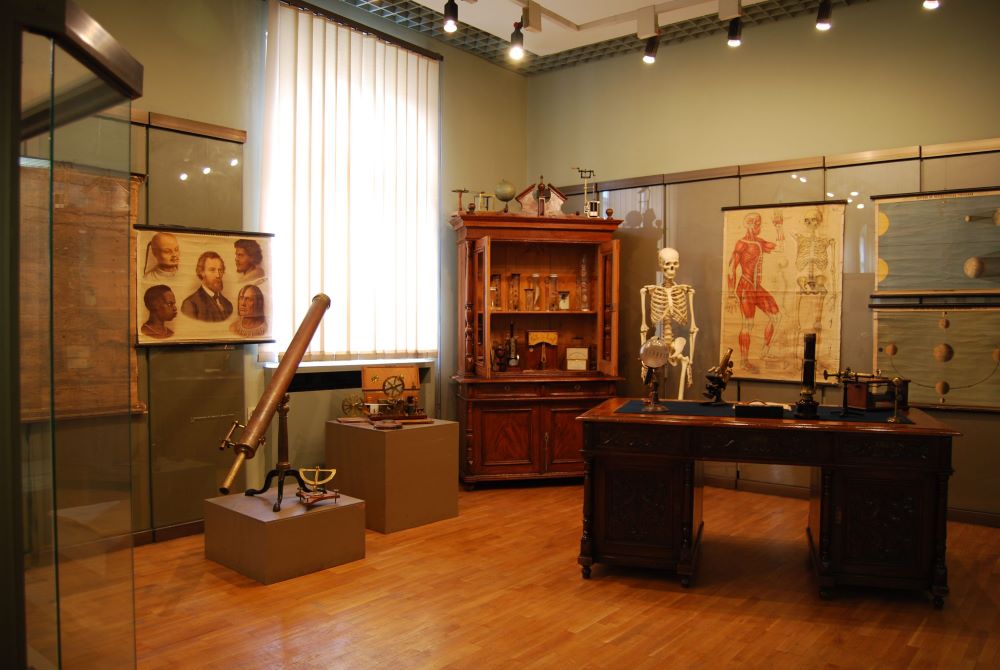
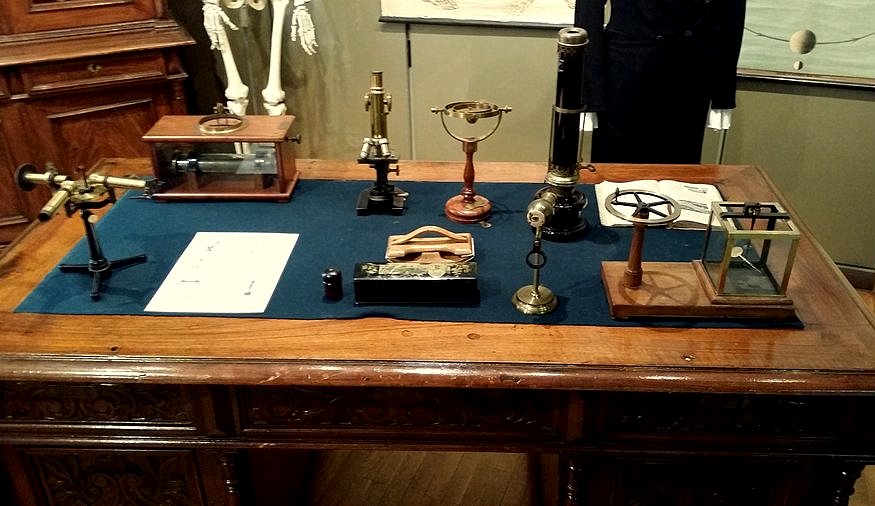
The Historical Museum takes an important place in the cultural life of Gabrovo. The beginning dates back to the first museum collection initiated in 1883 in Aprilov High School by the school principal Raicho Karolev. Nowadays the museum is housed in a beautiful baroque building built in 1904. Its rich collection includes 90 000 exhibits from the Paleolithic era, the late-ancient civilization on these lands (IV-VI centuries BC.), the First and Second Bulgarian Kingdom, the Ottoman Empire, the Revival period and the industrial boom, up to present days. Among its valuables are the following: Remains from the life of the first modern people in Europe; A numismatic collection; The second most important collection of traditional and urban clothing and accessories; The first Bulgarian banknote of 20 Bulgarian levs, etc.

The main exhibition is called ‘Gabrovo and Gabrovians’. It traces the early beginning, progress and advancement of Gabrovo, starting from a little settlement of the protectors of the pass and turning into an enlightened town of craftsmen up to a centre of the textile industry. Five expositions represent a banker’s office, sample exhibition stands, stylishly-furnished drawing room of a well-off Gabrovian family in addition to a church plates collection made by a local master goldsmith. In the central hall ceremonies are held to honour citizens who have contributed to the town’s history.

The sites intended for temporary exhibitions are used by visiting museum exhibitions, galleries, collectors of antique objects and people connected to art. The donation made by the sculptor Mityo Solakov is also a permanent exhibition. The museum offers a sightseeing tour of the town, historical references and analysis of cultural records, as well as bibliographies of important personalities and events of the local history.

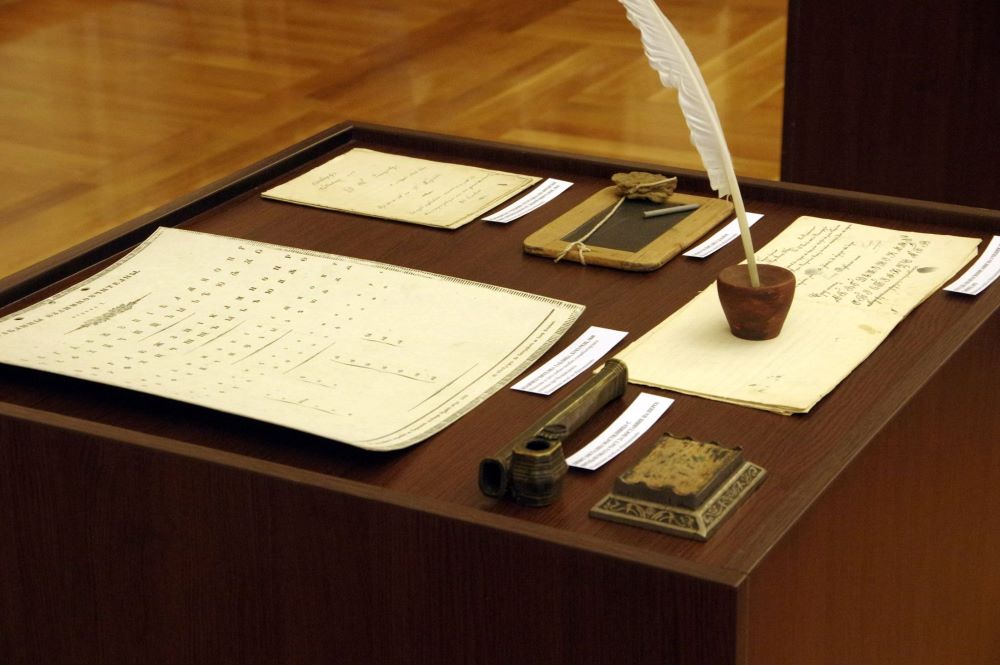
The National Museum of Education is housed in the building of Aprilov National High School. Founded in 1974 the museum is the only one of its kind to represents the development of Bulgarian education from 19th century up to the present. Vasil Aprilov’s private library is preserved there, along with the books written by Aprilov – ‘Morning Star of the New Bulgarian Education’ (1841), ‘The Bulgarian Scribes’ (1841), ‘The Bulgarian Charters’, etc. The museum exhibition is allocated into 5 halls. The old school where the method of mutual instruction and the system of pupil teachers was used is of great interest.

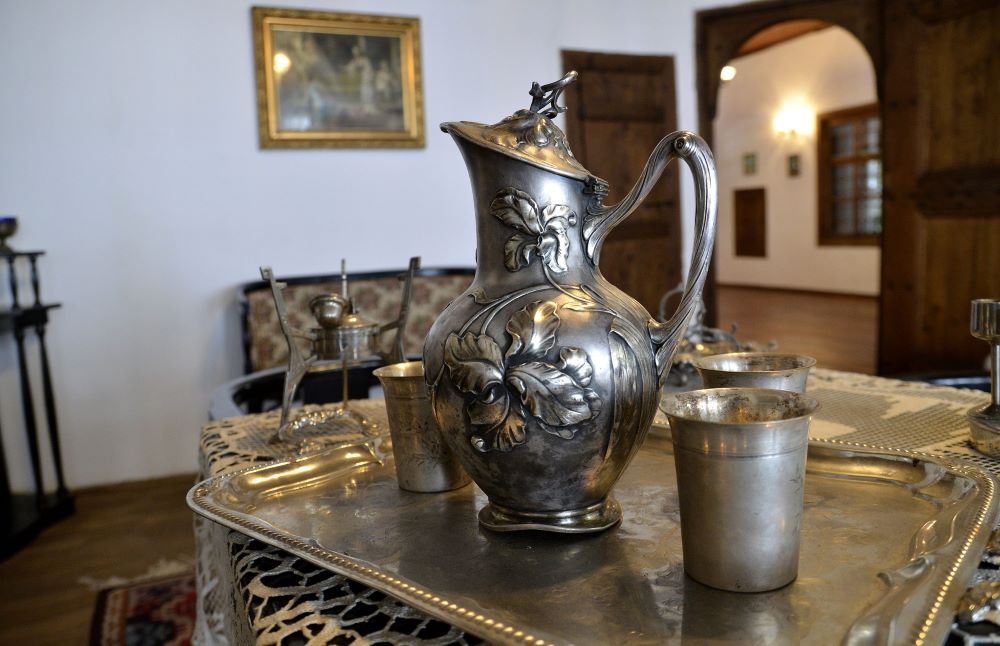
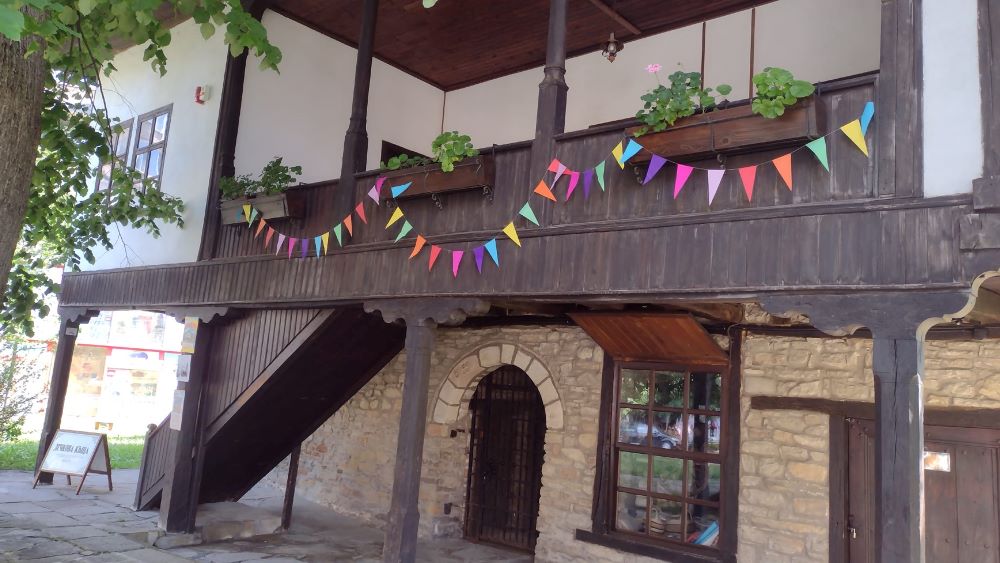
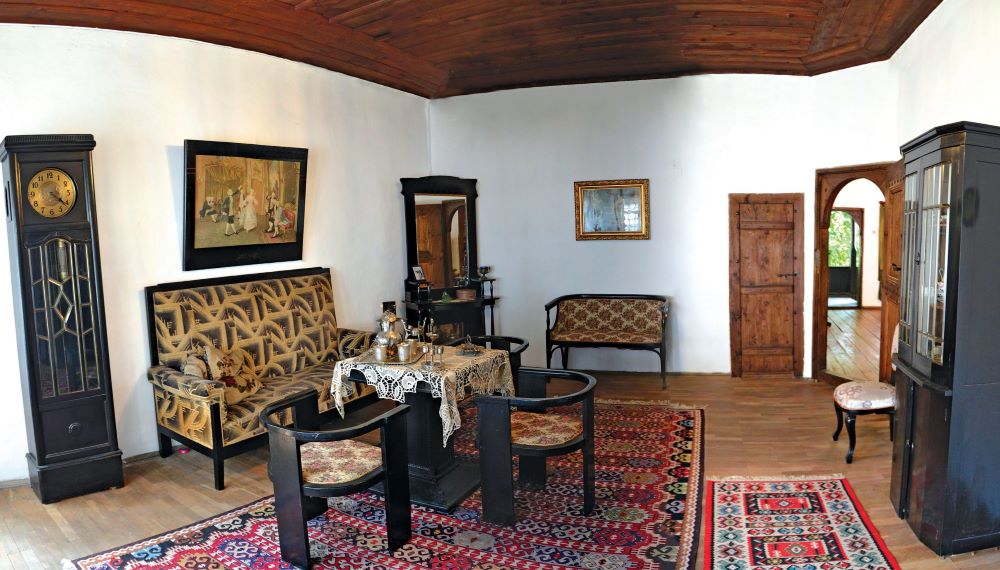
The exhibition “City everyday life from the end of XIX c. till the 40-ies of the XX c.” is located in the only preserved monument of the residential renaissance architecture in the city – Dechkova House, built in 1835 by a merchant from Gabrovo – Altan Dechko. The house is an example of the Balkan Revival architecture and transfers the guests in the atmosphere of the city during this time.

After the death of Altan Dechko, the house was successively a Main male School, a Main maiden School, a refugee hospital, a Gabrovian Red cross branch, a Gabrovian mayoralty and till the beggining of the 60-ies of XX c. the city ambulatory was situated in it.

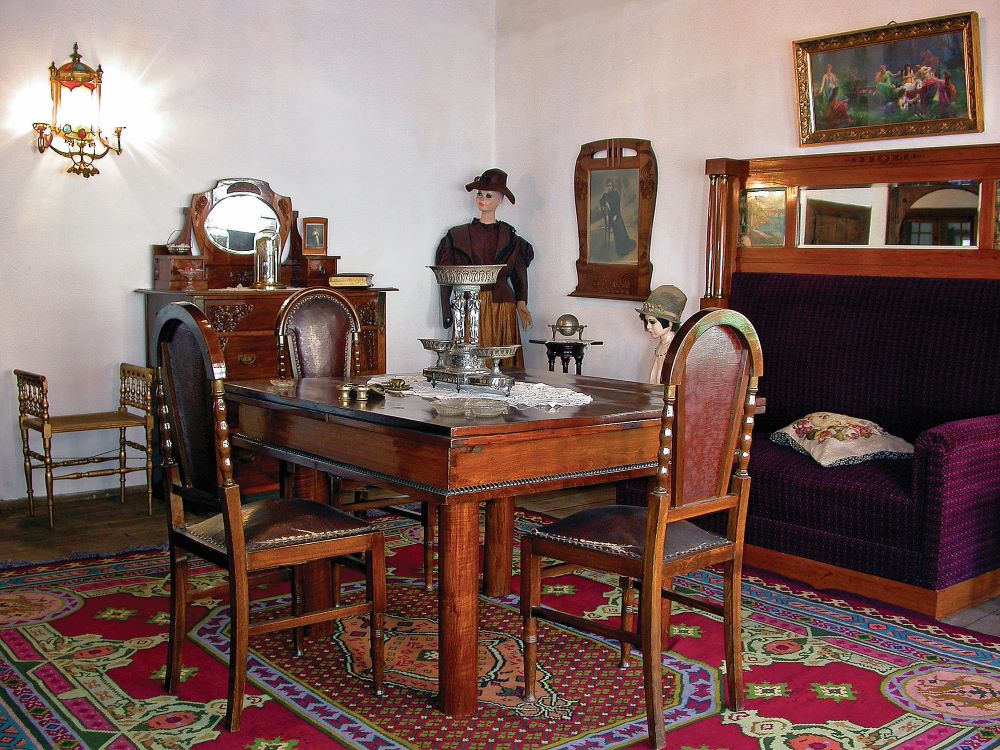
Here you can see several attractions, including the water-powered grill Su-Kebap for grilling sausages, meatballs and steaks; set of luxury furniture for dining room, presented on crafts exhibition in 1929 in Sofia and purchased by Gabrovian Dr. Simeon Gunchev. Only four such sets are produced by the Czech master Nemetschek and one becomes the property of the future Pope John XXIII. You can also see a unique Salon of Gabrovo fashion.

Etar Museum – a living picture of a bygone era!

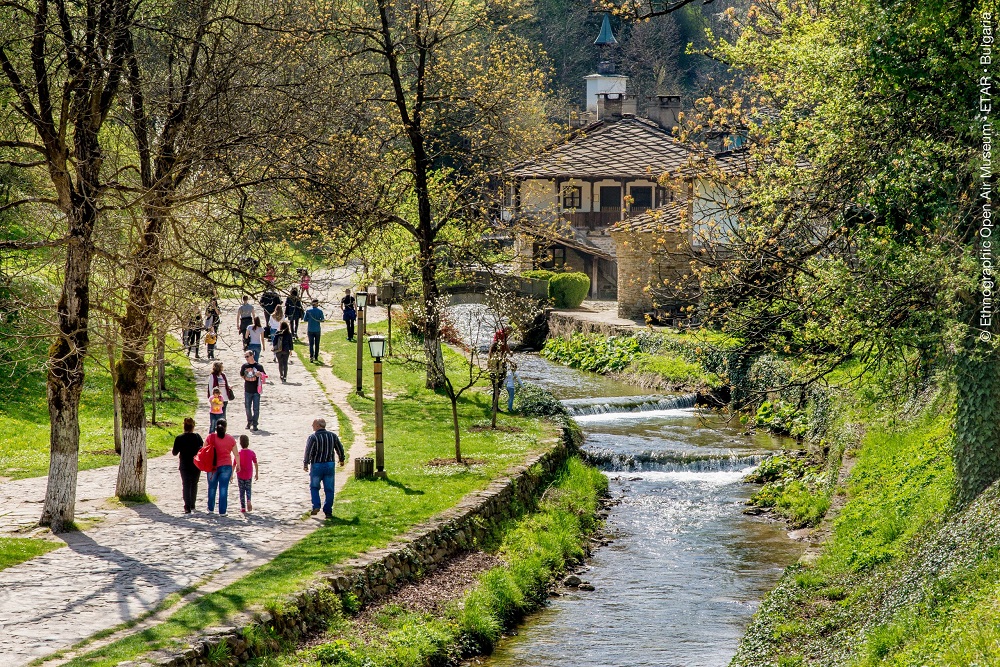
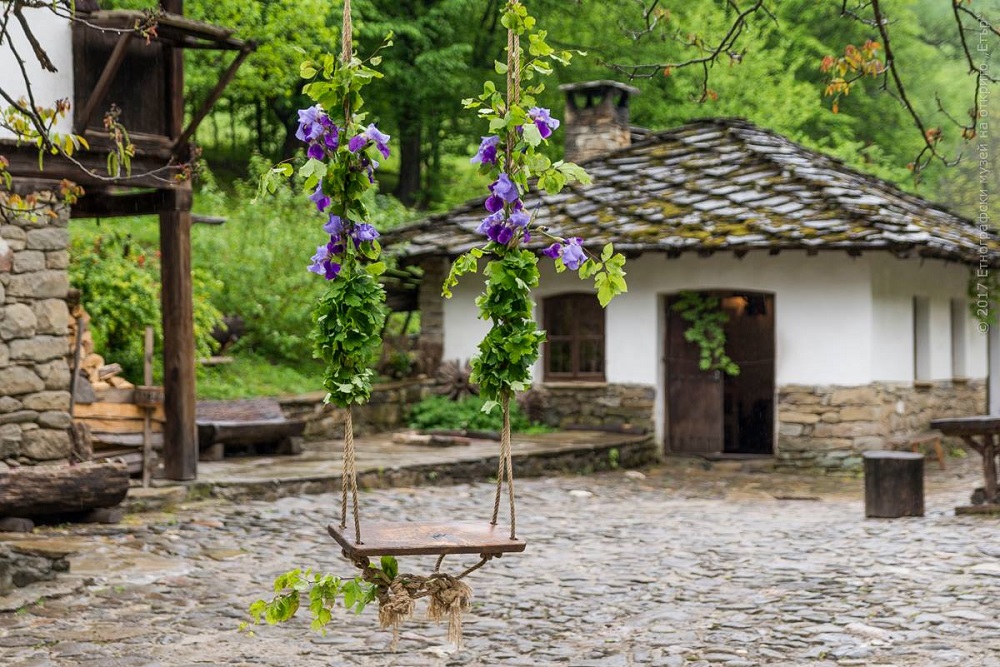
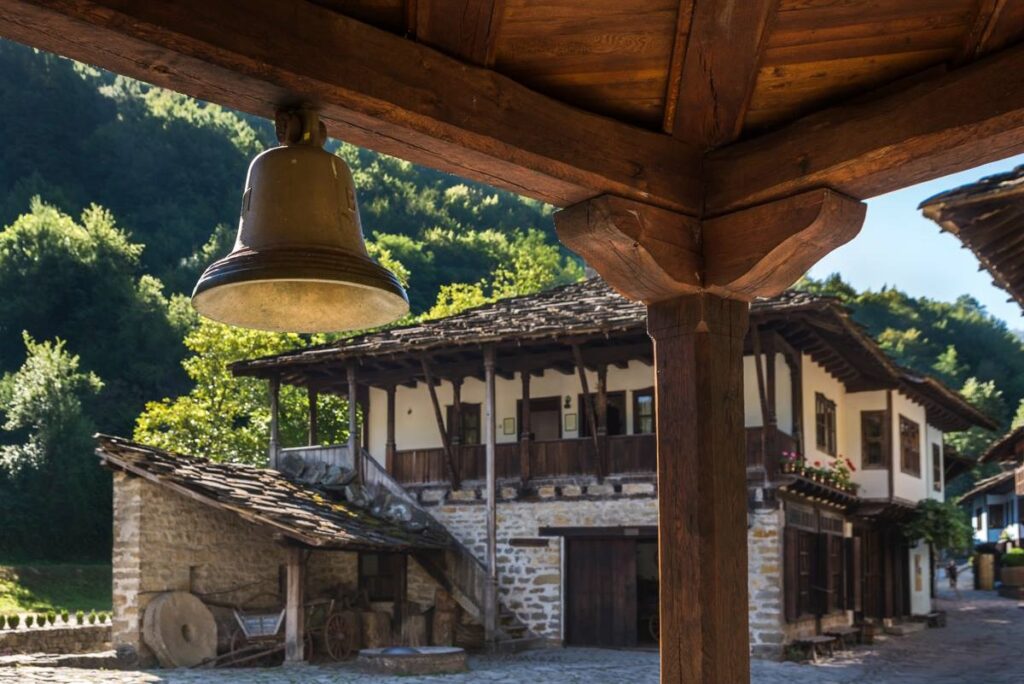
When you step inside the only open-air ethnographic museum in Bulgaria, you enter a world different from the modern one – the world of the Bulgarian Renaissance. Here the water turns the wheel of a centuries-old mill, and the cobblestones underfoot remind you that the true beauty in life is hidden in the experience of the emotion of touching the craftsmanship of our ancestors.

Bulgaria’s only collection of working water structures is located in the Etar Museum.

Etar is the ancient name of the Yantra River, which runs through the town of Gabrovo. It was chosen as the name of the museum as a symbol of the connection between water and the development of crafts in the region. The Regional Ethnographic Open-Air Museum “Etar” has the only collection of technical equipment powered by water in Bulgaria. The collection has been gradually built up and includes equipment still in use today that was once used in the livelihood of the Balkars: two mills, a rolling mill, two rolling mills, a bullfighting mill, a gaitanjis odaya, two lathes for gavanki and for barrels, a rolling mill. Thanks to a wadis system that existed in the past, later corrected and shaped, water powered mechanisms that washed, sharpened knives, ground wheat, wove woolen cloth, turned wooden vessels, and wove woolen threads.

The craftsmen’s marketplace is still bustling with life today as it was during the Renaissance.

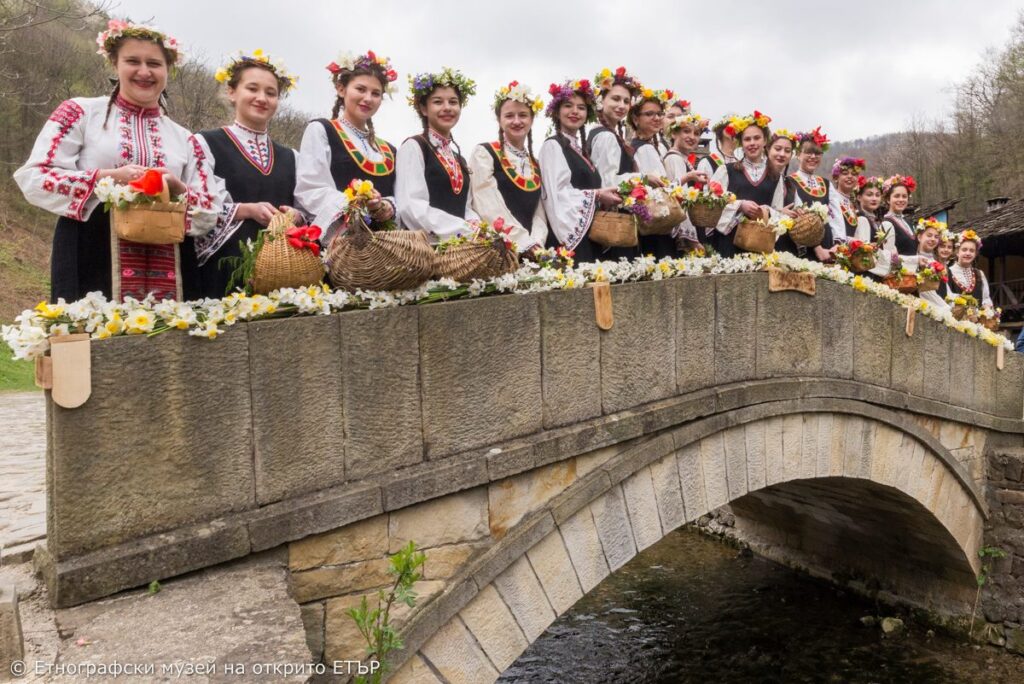
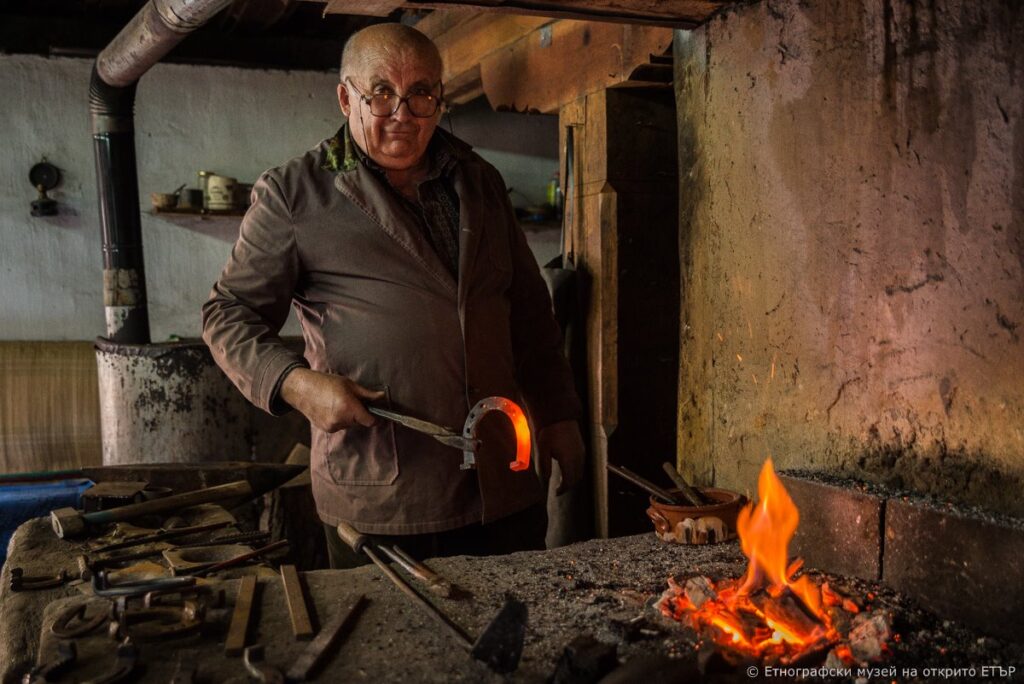
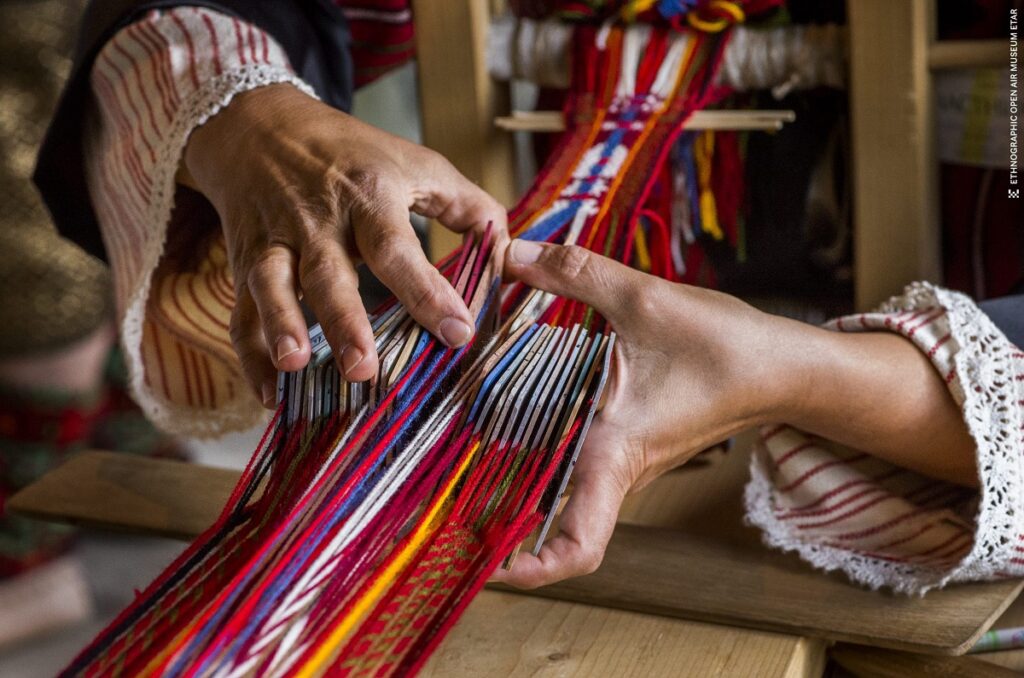
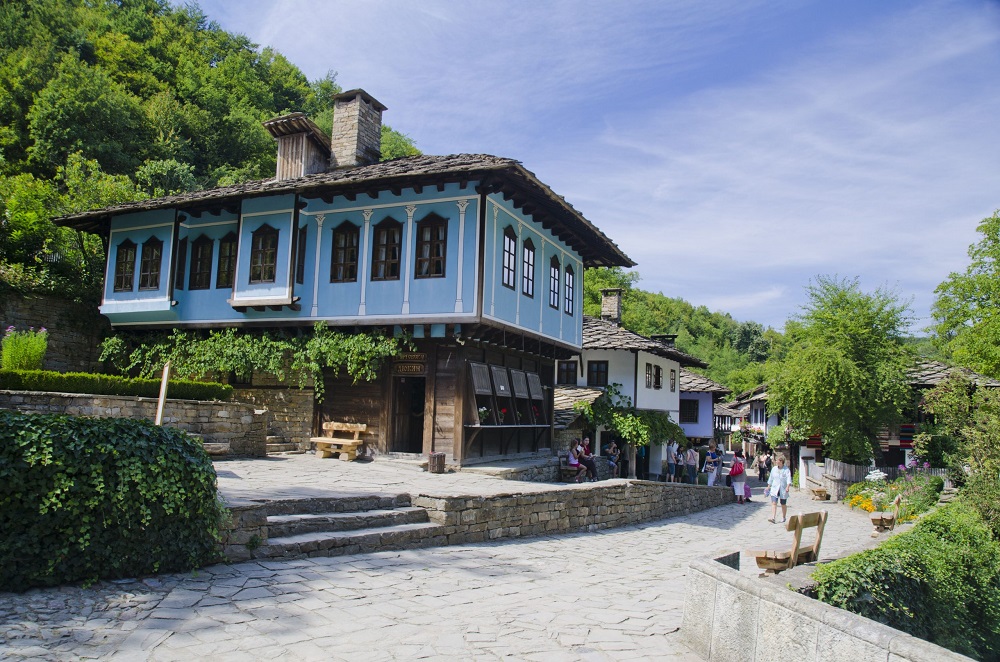
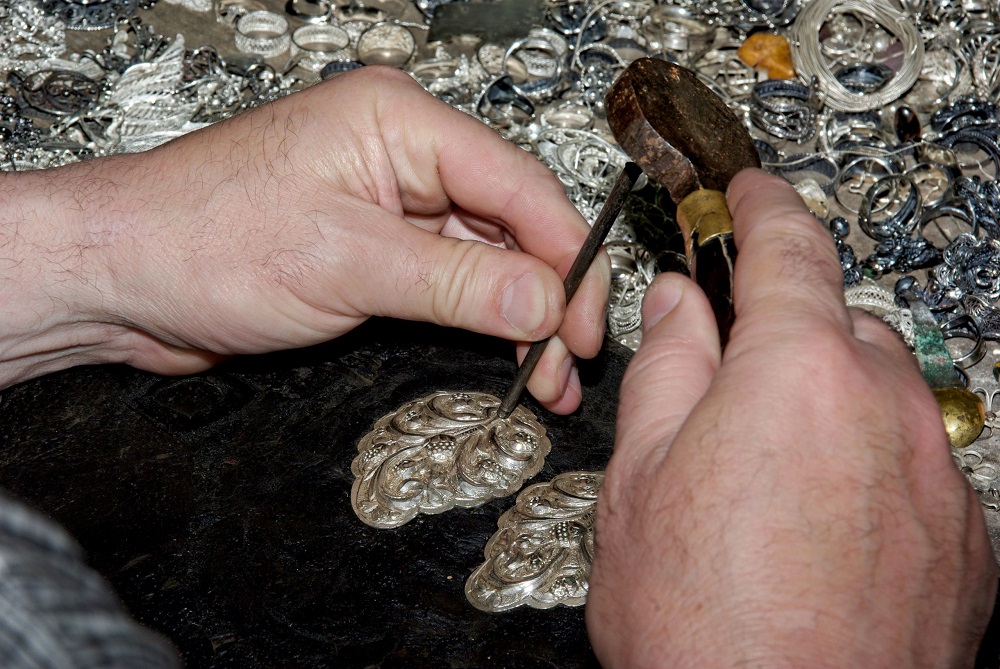
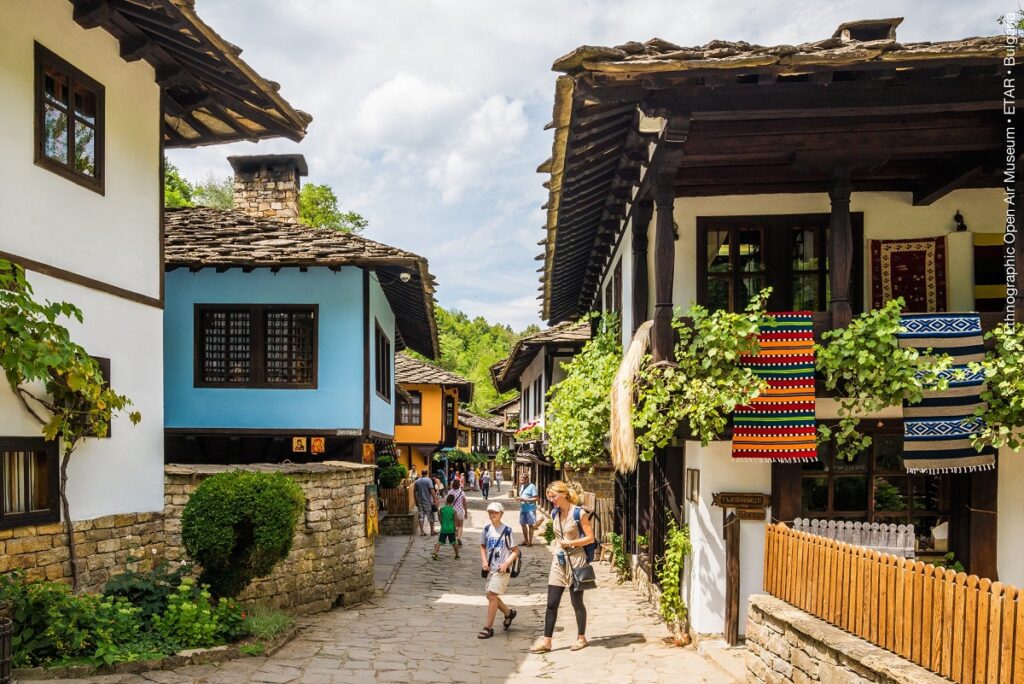
The architectural ensemble of the Craftsmen’s Charshchia presents a main town street with 19th century buildings housing active craftsmen’s workshops, workshops, a café and the homes of craftsmen and merchants. The ensemble of houses includes recreations of original architectural examples that existed in Gabrovo and its surroundings. The Sako House impresses with its numerous windows on the second floor, as such buildings of the Bulgarian Revival period are not often found. In the workshops, before the eyes of visitors, the craftsmen themselves produce and sell their wares, as in the past, and visitors can observe old techniques of working metal, leather, wood, clay, wool, goatskin and other natural raw materials. They can see original craft tools, enjoy the skills of the craftsmen and take home their wares. At the Charshiya one can taste simid, banitsa and gevrek, try pestil, white jam, halva, homemade sweets and other treats, or drink coffee brewed on sand.
Over the years, the Etar Museum has established itself as the only outdoor museum of its kind of the Skansen type in Bulgaria.